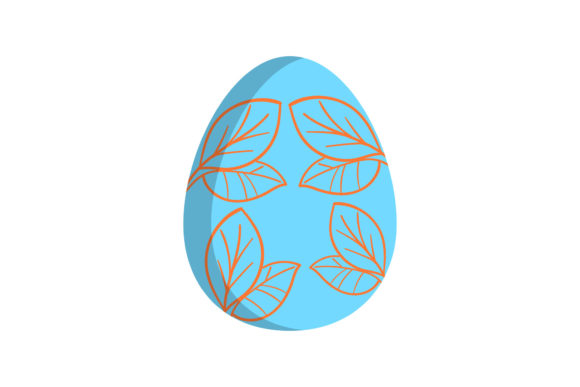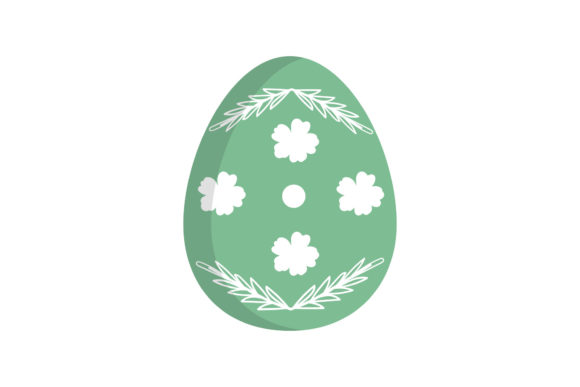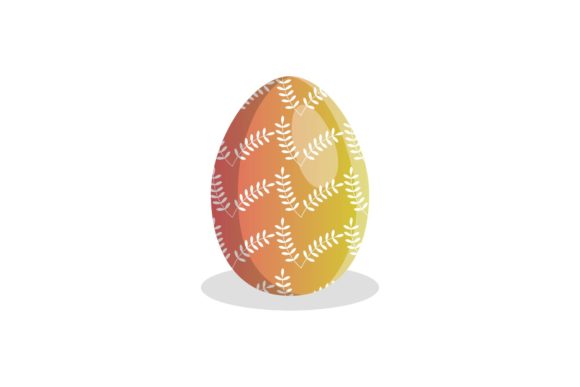
Easter Egg Floral Ornament
A Designer’s First Look: Delicate, Seasonal, and Surprisingly Versatile
When I opened the Easter Egg Floral Ornament files, my first thought wasn’t “cute” — it was “curated.” The composition balances soft floral curves with the gentle symmetry of an egg shape, avoiding both cartoonish whimsy and overly formal rigidity. It reads as hand-drawn but digitally refined — a quiet nod to spring without shouting Easter. As an embroidery designer who’s stitched hundreds of seasonal icons, I immediately pictured it on a linen tea towel, a cotton baby onesie, or the front pocket of a woven apron. It doesn’t demand attention; it invites touch, pause, and recognition.
How It Stitches in Real Projects (Not Just Mockups)
I tested Easter Egg Floral Ornament across three real-world uses: a medium-weight organic cotton tote bag, a lightweight French terry sweatshirt, and a 100% cotton baby bib. On the tote, the design held crispness in the petal edges and stem line — no bleeding or distortion, even with moderate stitch density. On the sweatshirt, I used a tear-away + cut-away stabilizer combo and found the fill stitches settled smoothly into the nap; no puckering. The bib required the lightest touch — I reduced density slightly and switched to a finer 40-weight thread, and the result looked intentionally delicate, not under-stitched.
This isn’t a high-contrast applique design built for bold visibility. It’s a machine embroidery design that relies on subtlety: layered satin stitch petals, fine running stitch stems, and open negative space between blossoms. That makes it shine on products where craftsmanship is part of the value — think boutique nursery decor, personalized holiday gifts, or small shop merchandise where buyers appreciate texture over flash.
Where It Fits Best (and Where to Pause)
- Strong fits: Embroidered patch backings, pillow covers, kitchen towels, cap visors (centered), baby blankets, and minimalist sweatshirt fronts.
- Good fits with tweaks: Tote bags (use medium-weight stabilizer), aprons (avoid near seam allowances), and tea towels (test hoop clearance on folded hems).
- Use carefully: Stretchy knits (requires excellent stabilization), dark fabrics (check contrast in your thread palette — pale pinks or mint greens may fade visually), curved surfaces like baseball caps (the top curve of the egg may distort if hooped too tightly), and ultra-thin fabrics like voile (reduce fill stitch density or convert some areas to running stitch).
What It Adds — and What It Doesn’t Promise
Easter Egg Floral Ornament elevates handmade presentation without overwhelming it. On an Etsy listing for personalized baby gifts, it signals care and seasonality — customers don’t just see “Easter,” they feel intention. As a digital embroidery file, it supports brand consistency: whether you’re stitching five items for a local craft fair or fifty for a boutique order, the shape remains clean and recognizable. It also works well in printable mockups — the SVG and PNG files scale cleanly for social previews or digital product listings.
But let’s be clear: this isn’t a dense, high-coverage applique design. There are no heavy satin borders or metallic accent layers baked in. If your customers expect “wow factor” from sheer stitch volume, this won’t deliver that. Its strength is refinement — the kind that makes someone turn a pillow cover over to admire the backstitch detail, or choose your shop because your holiday embroidery feels cohesive, not cluttered.
Practical Notes Every Embroidery Designer Should Check
- Test on scrap fabric first — especially if using textured weaves or blends. The floral lines respond noticeably to surface variation.
- Review stitch density before scaling. At 3.5" wide, it’s balanced; at 1.75", some inner petal details may merge. Zoom in on your embroidery software.
- Confirm hoop size compatibility. The 1920px × 1280px canvas suggests flexibility, but actual stitch area matters more than pixel dimensions — check your machine’s max hoop capacity.
- Inspect small details at 200% zoom: tiny leaves, stem junctions, and negative space between flowers should remain distinct, not collapsed.
- Try black-and-white mockups. Does the silhouette hold? Does it read clearly on dark fabric? This design relies on shape as much as color.
- Match stabilizer to fabric, not just project type. A lightweight cut-away works wonders on baby items; a medium tear-away is often enough for stable cottons.
- Verify licensing before selling finished items — especially if listing on Etsy or wholesale platforms. The product description says “Easy to edit,” but commercial use rights aren’t stated here. Always confirm.
Final Thought: A Quiet Anchor for Spring Collections
As a designer who builds seasonal collections for small creative businesses, I keep Easter Egg Floral Ornament in my “anchor assets” folder — not because it’s flashy, but because it’s reliable. It pairs effortlessly with script monograms, coordinates with simple leaf motifs, and never competes with text or branding. Whether you’re stitching custom apparel for a local café’s Easter brunch promo or creating heirloom baby embroidery, this design adds warmth without distraction. It’s the kind of graphics asset that makes your craft business feel intentional — not just seasonal, but thoughtful.
And that’s the mark of a truly usable Icons-class embroidery file: it doesn’t ask to be the center of attention. It simply belongs.