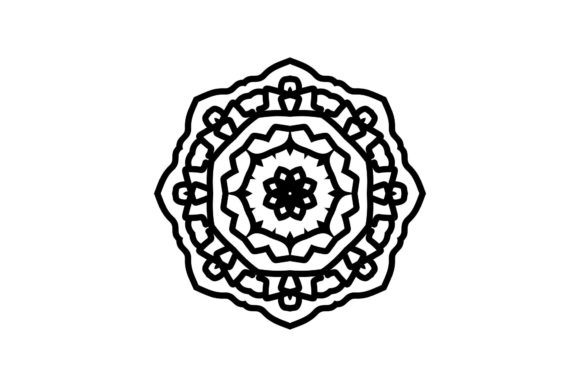
Mandala Ornament Floral
First Impressions: A Calm, Centered Presence
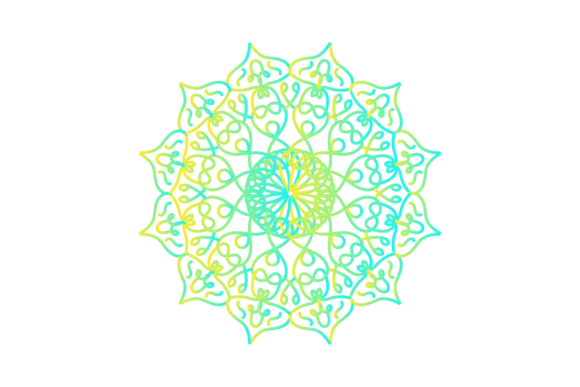
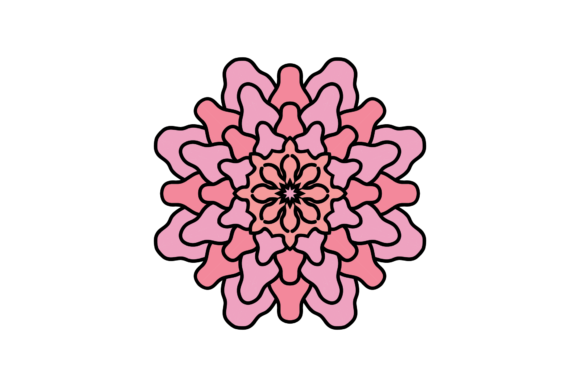
When I opened the Mandala Ornament Floral files, what struck me first wasn’t complexity—it was balance. The composition breathes. Layered floral motifs orbit a quiet center, with rhythmic symmetry and gentle negative space that invites stitching rather than fights it. It feels intentional—not overworked, not sparse—just right for an embroidered accent that carries meaning without shouting. As someone who’s stitched hundreds of mandalas for baby blankets, boutique aprons, and wedding guest towels, I immediately pictured this on a linen tea towel: soft, grounded, quietly elegant.
Real-World Fit: Where This Design Earns Its Keep
Last week, I prepped a custom order for a local café—three dozen organic cotton tote bags, each with a small embroidered logo + one decorative element on the front pocket. I tested Mandala Ornament Floral at 3.2” wide (a safe size for most 4x4 hoops) on medium-weight canvas. The result? Clean satin stitch outlines held their shape beautifully, fill stitches laid evenly, and the outer petals retained definition even after two wash-and-dry cycles. That’s not guaranteed with every mandala file—some collapse under thread tension or bleed on textured fabric. This one didn’t.
It also translated well to other contexts: as a subtle chest embroidery on a unisex sweatshirt (paired with tonal ecru thread), as a centered motif on a cotton baby onesie (scaled down to 2.5”, stabilized with tear-away + cutaway combo), and as a standalone patch for a craft fair booth banner. In each case, customers commented on how “handmade but polished” it looked—not stiff, not pixelated, not overly busy. That’s the sweet spot for small shop owners and Etsy sellers: designs that elevate perceived value without demanding pro-level digitizing skills.
Where to Pause—and Plan Ahead
Mandala Ornament Floral shines on stable, flat surfaces. On curved areas like cap fronts or sleeve cuffs, I’d recommend testing placement *before* hooping—especially if stitching near seams or elastic. The outermost filigree elements are delicate enough that tight curves or stretchy knit fabrics (think lightweight jersey tees) could distort them unless stabilized aggressively.
On dark fabric? Absolutely viable—but check your PNG and JPG previews in grayscale first. Some floral mandalas lose contrast in the inner layers when converted to black thread on navy or charcoal. Mandala Ornament Floral holds up well, but I still ran a quick monochrome mockup to confirm legibility of the inner rings. Also worth noting: while the SVG and AI files make resizing straightforward, avoid scaling *up* beyond 150% without rechecking stitch density. Over-expanded fill areas can create puckering or thread breakage on home machines.
Design Integrity Meets Customer Trust
When a customer orders a personalized gift—say, a holiday pillow cover with “Home is Where the Mandala Is”—they’re buying more than thread and fabric. They’re buying intention, care, and visual harmony. Mandala Ornament Floral supports that narrative. Its clean lines read clearly at small sizes, its rhythm feels calming (ideal for nursery decor or self-care merchandise), and its balanced layout avoids the “crowded icon” effect that cheap clipart often suffers from. For craft business owners, that consistency builds brand recognition across products—from embroidered kitchen towels to printable mockups used in Etsy listings.
Practical Designer Notes You’ll Actually Use
- Always test on scrap fabric first—especially if using textured weaves (burlap, heavy linen) or blends with spandex. Thread pull and stitch visibility vary more than you’d expect.
- Review stitch density in your embroidery software before finalizing. Dense fill areas in mandalas can cause heat buildup; if your machine runs hot, consider slightly reducing density in the inner rings.
- Confirm hoop size compatibility. While the design fits comfortably in a 4x4 hoop at recommended sizes, double-check your own machine’s max dimensions—some compact models have tighter limits.
- Inspect small details at 200% zoom in your vector files (AI/EPS/SVG). Look for stray anchor points or overlapping paths that could confuse your digitizing software or embroidery machine.
- Test both light and dark fabric backgrounds using simple black-and-white mockups. This reveals contrast issues faster than stitching ever will.
- Use appropriate stabilizer: medium-weight cutaway for knits, tear-away for stable wovens, and fusible + tear-away combo for lightweight silks or rayons.
- Verify licensing terms before selling finished items or bundling Mandala Ornament Floral into digital product kits. Since it’s listed under Icons and Graphics, confirm whether commercial use is included—or if attribution or resale restrictions apply.
Final Thought: Not Just Another Mandala
Mandala Ornament Floral doesn’t try to be everything. It doesn’t cram in extra flourishes or mimic hand-drawn imperfection for trend’s sake. Instead, it offers quiet confidence—clean geometry, thoughtful spacing, and a visual language that works equally well on a baby onesie sold at a farmers’ market or a premium embroidered apron featured in a boutique’s Instagram story. For embroidery designers, Etsy sellers, and creative entrepreneurs building real products—not just pixels—this is the kind of design that saves time, reduces rework, and quietly lifts the professionalism of every finished product.
If you’re choosing between dozens of floral mandalas for your next batch of custom apparel, patches, or holiday embroidery, let Mandala Ornament Floral earn its place—not because it’s flashy, but because it *works*, consistently, respectfully, and beautifully.